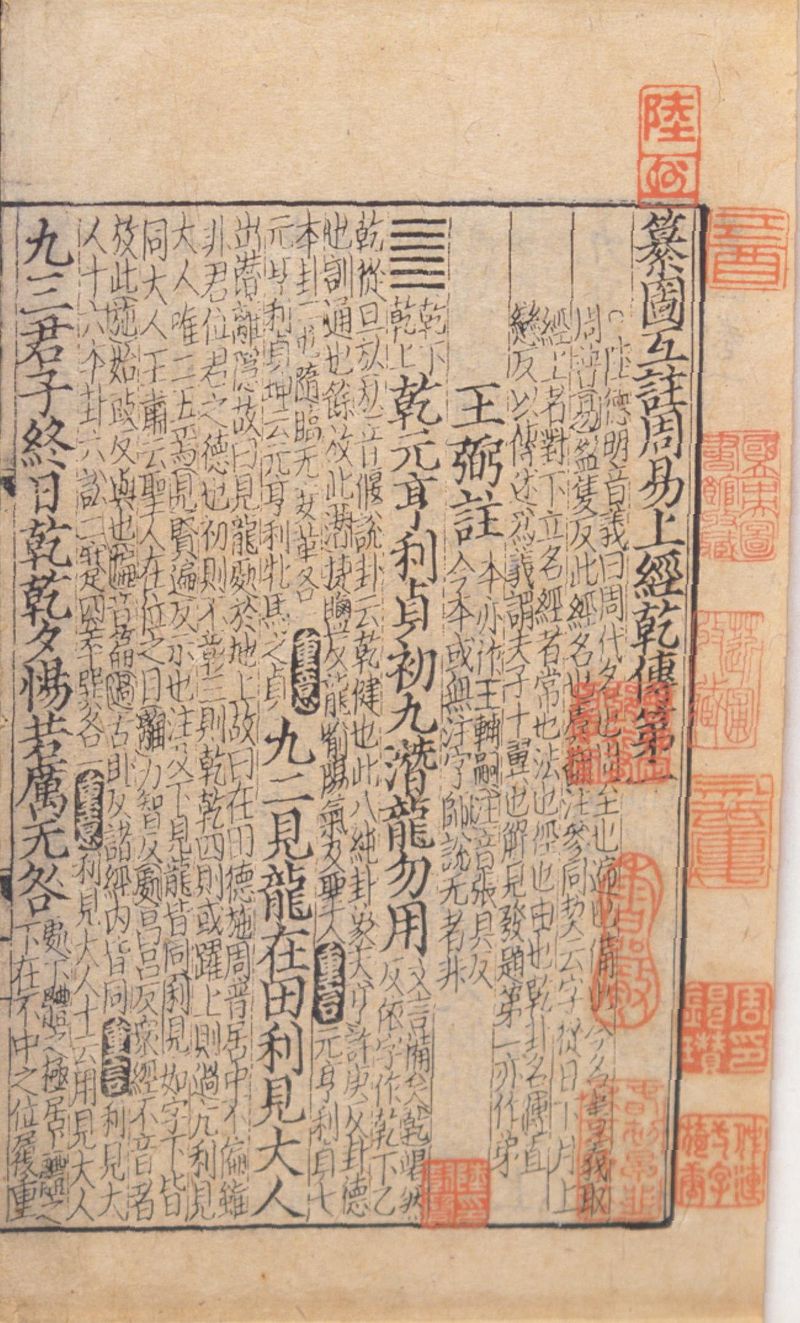
Yi Jing
Introduction
Yi Jing, or I Ching (The Book of Changes) is one of the oldest Chinese classic texts, and it holds a significant place in Chinese philosophy, culture, and history. It is traditionally attributed to various authors, with its origins dating back to the late second millennium BCE. The Yi Jing is a divination manual that has been used for centuries in China for fortune-telling, philosophy, and ethical guidance.
Historical Context
These hexagrams are a set of 64 figures, each composed of six lines that can be either broken (yin) or solid (yang). The Yi Jing's complexity goes beyond its use as a divination tool; it has deeply influenced Chinese culture, literature, and philosophy over the centuries.
Philosophical Influence
Yi Jing has played a crucial role in the development of Chinese philosophy, particularly influencing Confucianism, Taoism, and other schools of thought. The text is known for its profound exploration of the concepts of yin and yang, which represent the dual forces of nature and the balance necessary in life. The interplay of these forces is symbolic of change and transformation, reflecting the dynamic nature of existence.
Many philosophers have commented on and expanded the Yi Jing's teachings, including Confucius, who is traditionally believed to have written the Ten Wings, a series of commentaries that explain the moral and philosophical significance of the hexagrams. This integration of ethical and philosophical insights has made the Yi Jing a fundamental text in Chinese thought.
Cultural Significance
The influence of Yi Jing extends beyond philosophy into various aspects of Chinese culture. It is often associated with the concept of harmony and balance, which are central ideas in traditional Chinese medicine, feng shui, martial arts, and other cultural practices. The Yi Jing's hexagrams have been employed in decision-making processes, moral reasoning, and artistic inspiration, which underscores its pervasive impact.
In literature and poetry, many Chinese writers have drawn upon the Yi Jing's imagery and symbolism to convey deeper meanings and reflections on the human condition. The text's rich metaphors and allegories provide a framework for understanding the complexities and paradoxes of life.
Modern Interpretations
Even in contemporary times, the Yi Jing remains relevant and has been subject to various interpretations and adaptations. Scholars continue to explore its linguistic and philosophical dimensions, examining its application in modern contexts. The text has also gained international attention, influencing Western thinkers and being incorporated into global philosophical discourse.
Many modern readers approach Yi Jing not only as a tool for divination but also as a source of wisdom and insight into personal growth and understanding. Its timeless teachings about change, balance, and harmony continue to resonate with individuals seeking guidance and introspection.
Yi Jing and Related Concepts
The Yi Jing is often studied in conjunction with other classical texts and philosophies, such as Daoism and Confucianism, due to their interconnected themes and ideas. Daoism, for example, emphasizes the flow of life and the importance of aligning with the natural order, concepts that are mirrored in te Yi Jing's teachings. Similarly, Confucianism's focus on moral integrity and societal harmony aligns with the ethical implications of the Yi Jing.
The text's insights into the natural world and human existence make it a valuable resource for those exploring holistic and integrative approaches to well-being.








